Named, Numbered, and Covenanted With
Introduction
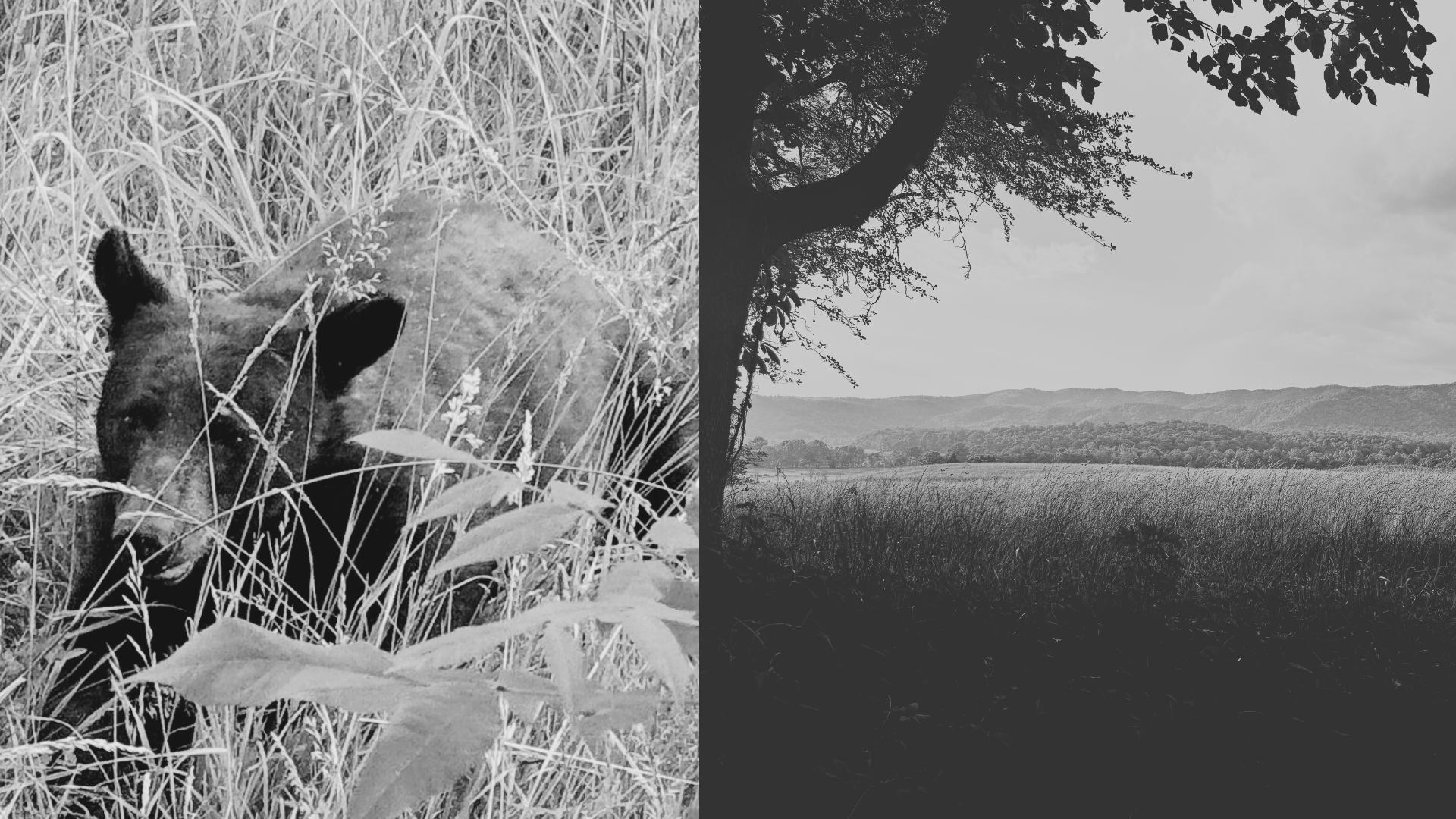
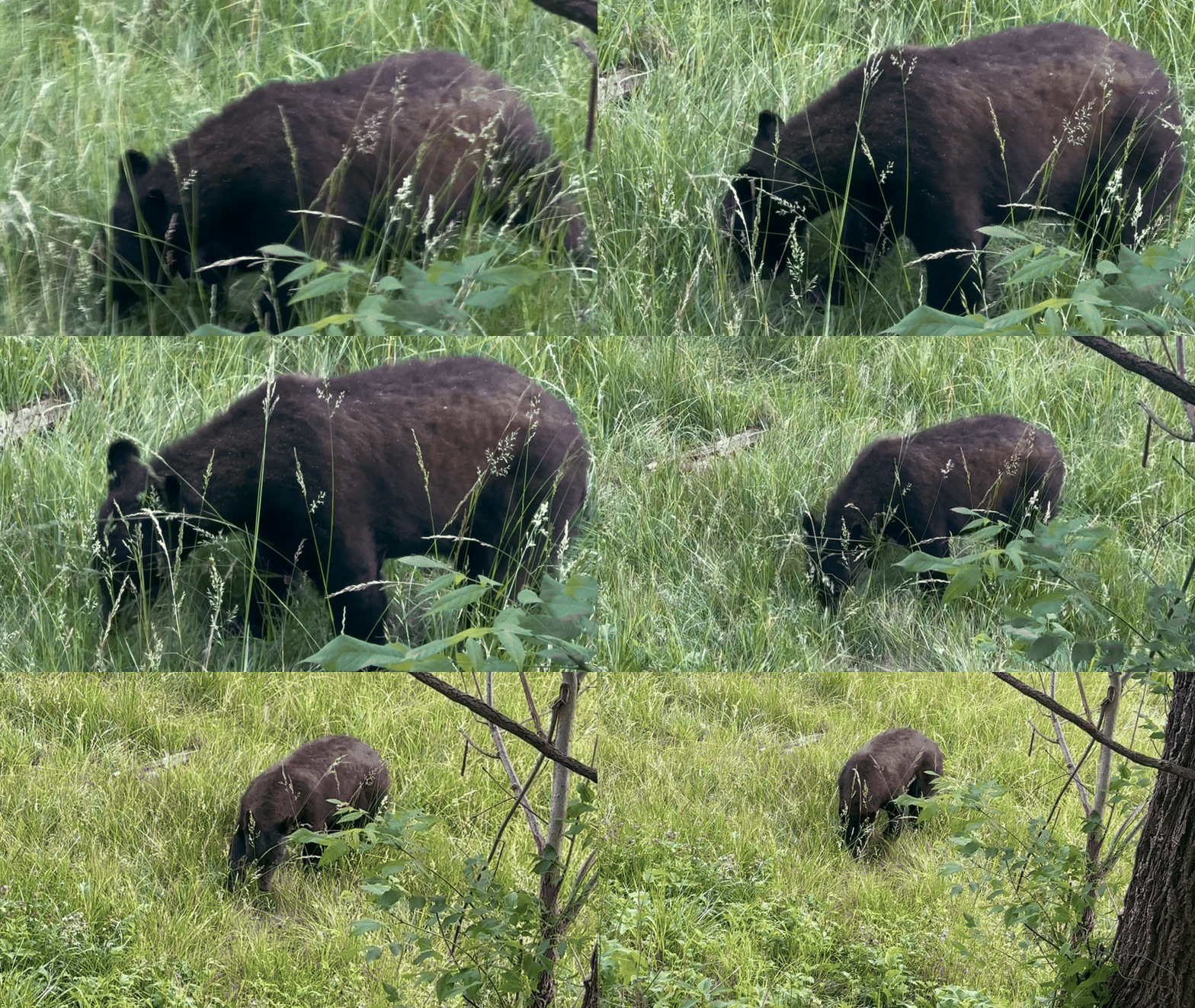
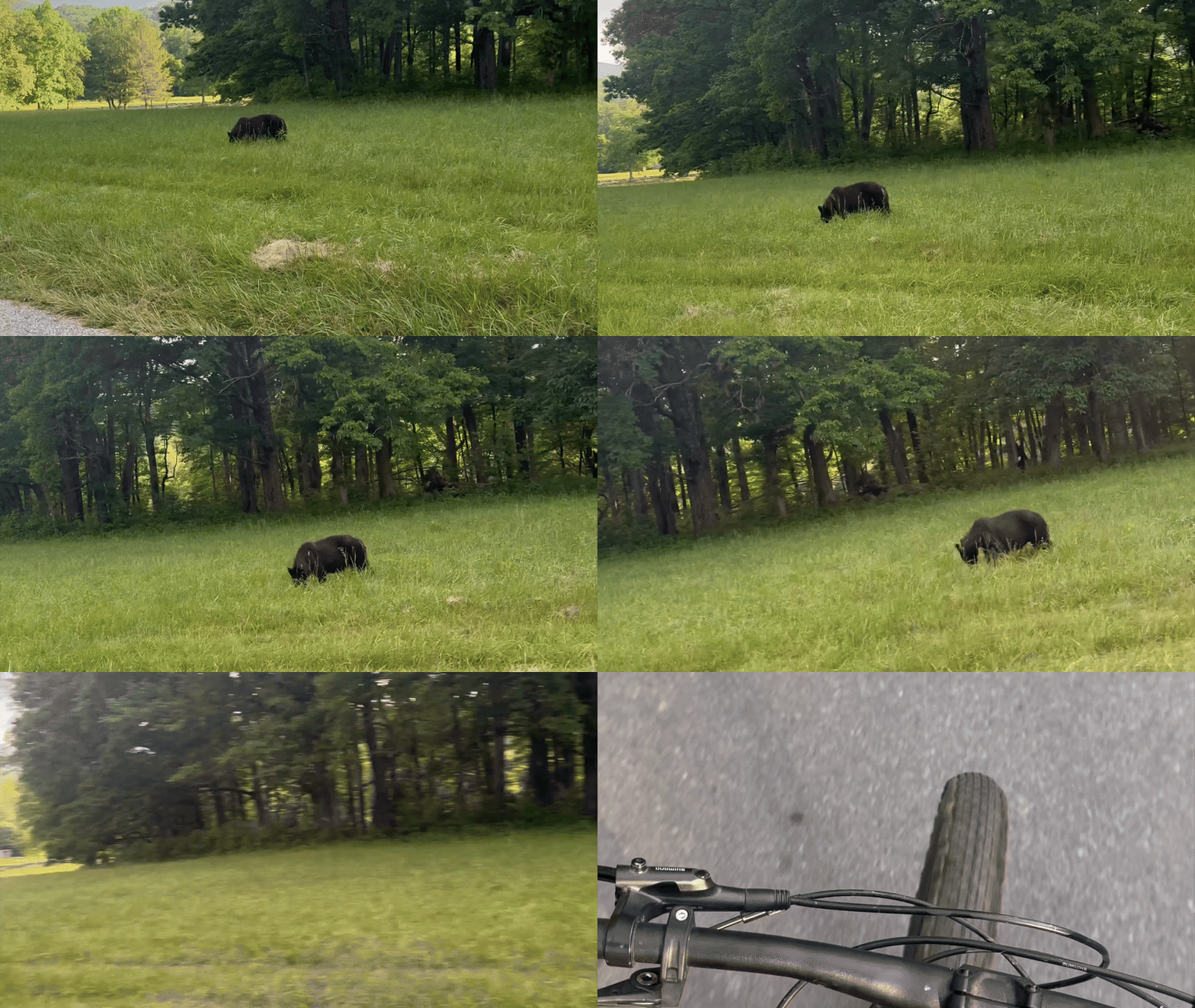
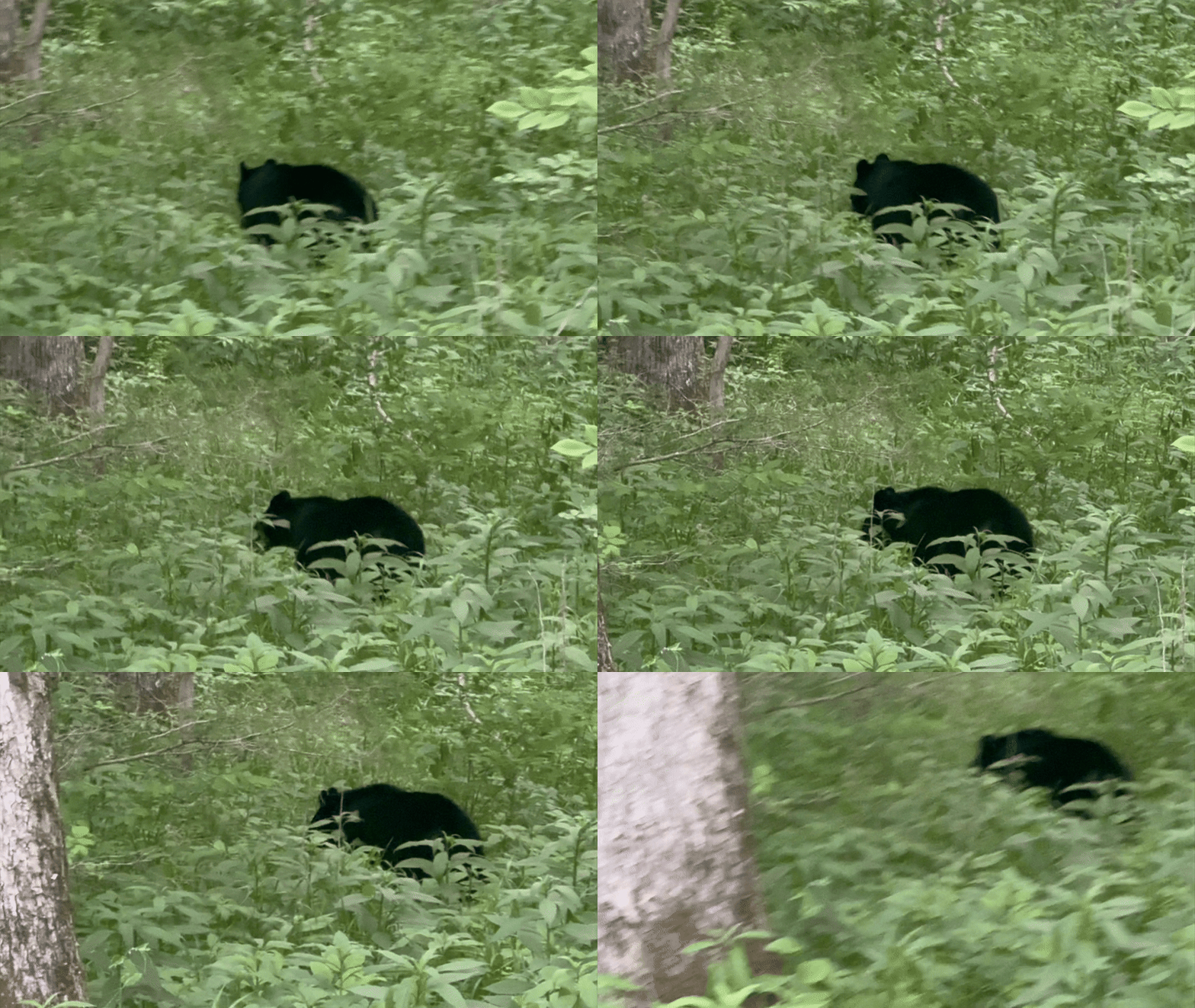
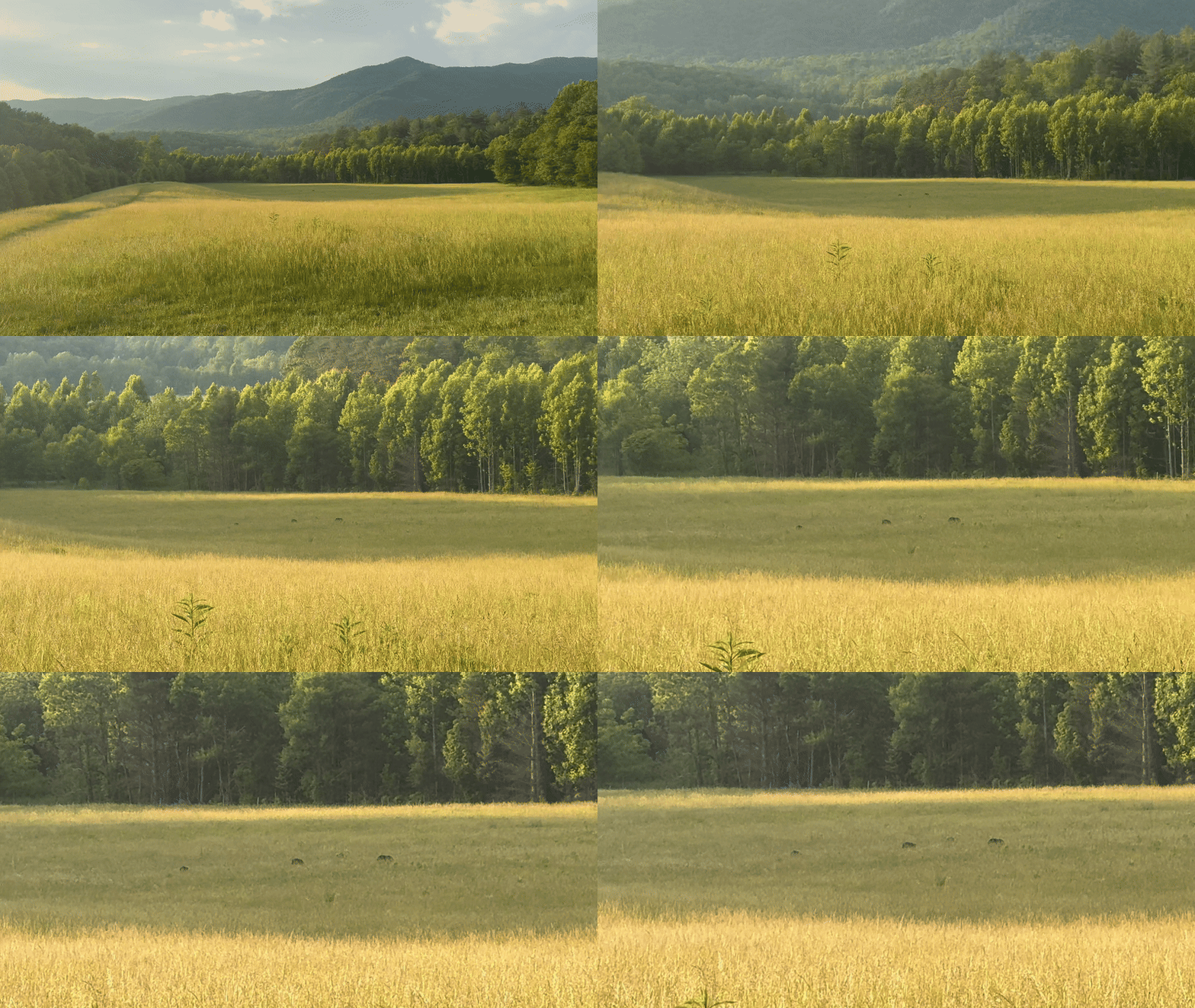
I rode the eleven mile loop at Cades Cove recently. It’s a beautiful spot in eastern Tennessee, and the bike ride offers a solid workout, stunning views of the Smoky Mountains, and plenty of wildlife. What I didn’t anticipate was stumbling onto numerous black bears at point blank range.
During those encounters I felt something special. I’m not sure exactly how to put it into words, but at a basic level I was grateful and astonished. And, just as importantly, I was aware that I did not make these animals, I do not control them, and they do not need my permission to exist. The ride home gave me plenty of time to reflect on God’s creation. The God who let the first man name the animals later bound Himself in covenant to every living creature, and still keeps and counts each one.
Creation of Man
Before the man ever names an animal, before the flood, before any of it, Genesis says what he is and what he is for:
Then God said, “Let us make man in our image, after our likeness. And let them have dominion over the fish of the sea and over the birds of the heavens and over the livestock and over all the earth and over every creeping thing that creeps on the earth.” So God created man in his own image, in the image of God he created him; male and female he created them. — Genesis 1:26-27 (ESV)
The First Thing Adam Ever Did
Genesis sets the scene before Eve, while the man is still alone:
Now out of the ground the Lord God had formed every beast of the field and every bird of the heavens and brought them to the man to see what he would call them. And whatever the man called every living creature, that was its name. The man gave names to all livestock and to the birds of the heavens and to every beast of the field. But for Adam there was not found a helper fit for him. — Genesis 2:19-20 (ESV)
God forms the animals, brings them to the man, and then waits. He does not name them Himself; He hands that to Adam and watches to see what he will call them, and whatever Adam says, that is the name it keeps. The first thing the man is given to do is not to build or subdue anything. It is to pay attention, to look at each creature closely enough to say something true about it.
Count How Many Times He Says It
Jump forward, past the fall, past the flood. The water recedes, Noah steps off the ark, and God makes a covenant. Watch who is in it.
When the bow is in the clouds, I will see it and remember the everlasting covenant between God and every living creature of all flesh that is on the earth. — Genesis 9:16 (ESV)
Read Genesis 9:8-17 slowly, and notice “every living creature” lands four times and “all flesh” shows up five. The covenant is made with Noah “and with every living creature that is with you, the birds, the livestock, and every beast of the earth with you, as many as came out of the ark” (Genesis 9:10, ESV). When God names the sign, the rainbow, he ties it again to “every living creature.” The animals are not bystanders to a deal between God and humanity. They are parties to it.
That landed harder because of where I had just been. A black bear is a beast of the earth, exactly the kind of creature this covenant names.
And the sign He chose is mercy, not menace. Matthew Henry catches the image: “A bow speaks terror, but this has neither string nor arrow… It is a bow, but it is directed upward, not toward the earth; for the seals of the covenant were intended to comfort, not to terrify” (Genesis 9:12 commentaries).
It Doesn’t Stop in Genesis
The thread does not stay in the Old Testament. Adam names the animals, God binds Himself to them after the flood, and the same care keeps running forward. By the time we reach Jesus it is still going.
Look at the birds of the air: they neither sow nor reap nor gather into barns, and yet your heavenly Father feeds them. Are you not of more value than they? — Matthew 6:26 (ESV)
They do not farm and they do not store, and the Father feeds them anyway. Then He goes cheaper and starker, to the bird you could buy for next to nothing:
Are not two sparrows sold for a penny? And not one of them will fall to the ground apart from your Father. — Matthew 10:29 (ESV)
Two sparrows, the cheapest thing in the market, and the Father is present at the death of each one. Put the two together and the care runs the whole length of a creature’s life: fed while it lives, not forgotten when it falls. This is not a God who set creation spinning and walked off. It is attention, still, all the way down to the birds. The same God who waited to hear what Adam would name, and who counted the animals into a covenant, has not looked away.
The wonder did not stop at the bears, it ran through them to the One who made them. Loving creation and worshiping creation are two different things, and the whole point of Genesis is that the creature points past itself, to the Creator.
The Bear in the Garden
We see a carnivore and our minds go straight to the danger, tooth and claw, the thing on the nature documentary that runs something down, and we assume that is simply what these animals are and have always been. They are often credited with balance of nature through predation, but this is inaccurate due to death coming after sin. Beasts do however reflect God’s majesty, and their existence would be part of humanity’s understanding of God as a Creator. They were part of the harmonious ecosystem of the Garden of Eden and companions for man.
A key takeway here is that what we see on nature doucmentaries reads the present back into the beginning, and the beginning did not look like this. What is in front of us is not the world as God first made it.
For we know that the whole creation has been groaning together in the pains of childbirth until now. — Romans 8:22 (ESV)
Groaning is Paul’s word, and childbirth is his deliberate image: pain that is on its way somewhere. When God concluded His creation, He called all of it “very good,” and the menu he handed out was green. He gave “every green plant for food” to every beast and bird and creeping thing (Genesis 1:30, ESV). The first diet was not each other. The whole arms race we have learned to call the balance of nature is just not true. This article in Answers in Genesis is useful for getting a better understanding of this concept. Nothing needed killing to stay in balance until killing entered the world.
For additional context if there’s any confusion, a beast in the Bible’s sense is a big wild thing, untamed and not yours, a tiger, a wolf, a bear, the great creatures on down to the dinosaurs. Before the fall those animals were neighbors in the garden, not hazards in it. They were made to show you something, strength and size and majesty with no cruelty in it, the kind of wild that throws you back on the One who thought it up.
The Bear Lies Down
That is what Isaiah saw coming. The creation Paul calls groaning is groaning toward something, and if the rainbow after the flood was a promise, the prophet is where you finally see what it was a promise of:
The wolf shall dwell with the lamb, and the leopard shall lie down with the young goat, and the calf and the lion and the fattened calf together; and a little child shall lead them. The cow and the bear shall graze; their young shall lie down together; and the lion shall eat straw like the ox. The nursing child shall play over the hole of the cobra, and the weaned child shall put his hand on the adder’s den. They shall not hurt or destroy in all my holy mountain; for the earth shall be full of the knowledge of the Lord as the waters cover the sea. — Isaiah 11:6-9 (ESV)
Read the second line again. “The cow and the bear shall graze.” Of all the animals the prophet could have named, the bear is on the list, the same kind of animal that stood a few feet off the Cades Cove loop and watched me pass. In the world Isaiah sees it is not pacing a ridgeline or tearing into anything. It is grazing beside a cow, and its young are lying down with the calves. That is not a new trick for the bear. It is the bear going home, to the kind of world it was made for in the first place, before there was anything to fear from it.
This is a window onto what Christ comes back to finish. Isaiah is looking past his own day to the world the second coming brings, the new heaven and new earth John would later see, where God “will wipe away every tear” and “death shall be no more” (Revelation 21:1-4, ESV). Creation does not just get patched up. It is handed back the perfection it was built for, sin and suffering and death cleared out for good. The covenant that named “every living creature” back in Genesis was never nostalgia for a garden that is gone. It points forward, to a creation healed so fully that the predator-prey order comes undone and the beasts get the garden back. The reason given is not better wildlife management. It is that “the earth shall be full of the knowledge of the Lord.” The peace reaches the animals because it reaches everything.
What It Means for Us
We are over the creatures. Adam named them; that was authority. And we are under a God who stooped to covenant with those same creatures and still counts them one by one. Our rule sits inside His care. That reframes what dominion is supposed to look like. If the God we answer to guarantees the animals their future and notices every sparrow that falls, then authority that looks like careless use is a counterfeit.
Whoever is righteous has regard for the life of his beast, but the mercy of the wicked is cruel. — Proverbs 12:10 (ESV)
The righteous man’s regard reaches all the way down to his animal. The wicked man’s mercy, the best he has on offer, still comes out cruel. Scripture will gauge a person by how the creatures under his hand fare. The first man’s rule was attention.
And the comfort runs further than the animals. If God saves the beasts, how much more the people made in his image?
Your righteousness is like the mountains of God; your judgments are like the great deep; man and beast you save, O Lord. — Psalm 36:6 (ESV)
The word the ESV uses there is worth a second look, because the translations split on it:
| Translation | Psalm 36:6 (closing line) |
|---|---|
| ESV | “man and beast you save, O Lord.” |
| NIV | “You, Lord, preserve both people and animals.” |
| NKJV | “O Lord, You preserve man and beast.” |
Save, preserve, keep. The reach is the same: God’s care does not stop at the edge of humanity, and it does not skip over you.
Closing
I went to Cades Cove for a fun bike ride and came back thinking about Genesis. Wild animals right next to me, and something that I find really special is that even today, the God who made them still feeds them and counts them.
That should change how I carry myself through the world He made. Pay attention. Name things truly. Hold the authority I have been given the way He holds His: leaning down, keeping, merciful. The next time you see a bear, or a rainbow, or a sparrow on the ground, remember that not one of them is outside his notice. And neither are you.
Thanks for reading. If you want to talk about faith, reach out on LinkedIn or X.